
About ReDLat2

About Us
ReDLat2 is an international initiative that seeks to transform dementia research in Latin America and the Caribbean. Building on ReDLat’s experience, this new phase brings together centers across seven countries to investigate why diseases such as Alzheimer’s disease and frontotemporal dementia develop differently across individuals and populations, taking into account the region’s vast genetic, social, environmental, and cultural diversity.

About Us
ReDLat2 is an international initiative that seeks to transform dementia research in Latin America and the Caribbean. Building on ReDLat’s experience, this new phase brings together centers across seven countries to investigate why diseases such as Alzheimer’s disease and frontotemporal dementia develop differently across individuals and populations, taking into account the region’s vast genetic, social, environmental, and cultural diversity.
Learn more about us
What We Do
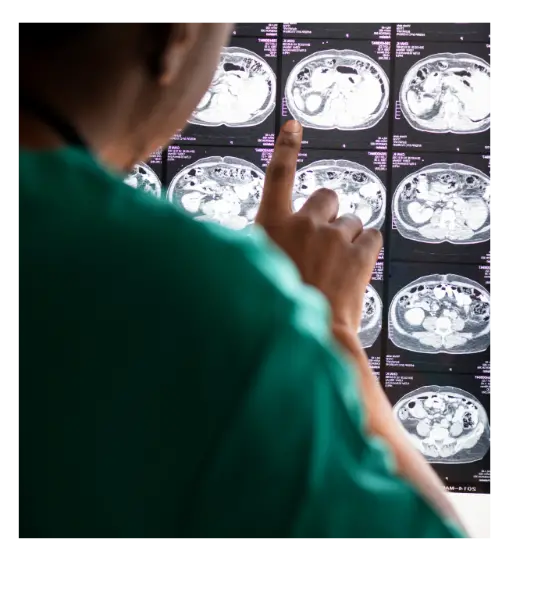 Over the next five years, ReDLat2 will combine genetic information with exposome data—the social, environmental, and living conditions to which people are exposed throughout their lives—alongside clinical, cognitive, neuroimaging, biomarker, proteomic, epigenetic, and other health data. The goal is to understand how genes and the environment interact to increase vulnerability or promote resilience to aging and dementia.
Using new artificial intelligence tools and “aging clock” models, the Consortium will seek to identify early indicators of risk and protection, improve diagnosis, and develop more precise prevention and treatment strategies. By including historically underrepresented populations, ReDLat2 aims not only to address the needs of Latin America but also to generate knowledge that is relevant to understanding and preventing dementia worldwide.
Our History
2015a small group of colleagues led by Drs. Agustín Ibáñez and Mario Parra met in Santiago, Chile, during the World Congress of Neurology to discuss how to strengthen dementia research in Latin America. The ideas that emerged from that meeting laid the foundations for the Latin American and Caribbean Consortium on Dementia (LAC-CD), which helped identify the region’s main challenges and establish shared research priorities. |
2018with support from the Alzheimer’s Association and the Global Brain Health Institute (GBHI), Dr. Ibáñez developed the first proposal to create a dementia research consortium focused on Latin America’s unique characteristics, particularly its genetic diversity and the profound social inequalities affecting the region. |
2020The National Institute on Aging (NIA) awarded ReDLat its first grant. The Consortium initially included Argentina, Brazil, Colombia, Peru, and the United States. The project was led by Drs. Agustín Ibáñez, Jennifer Yokoyama, Katherine Possin, and Bruce Miller, together with local researchers including Nilton Custodio, Francisco Lopera, Dalia Matallana, and Ricardo Nitrini.Subsequent support from organizations including the Alzheimer’s Association and the Rainwater Charitable Foundation enabled the incorporation of new researchers and management teams, as well as the Consortium’s expansion into Chile and Mexico. New projects further broadened the initiative’s scientific, institutional, and regional reach. |
2026
the NIA renewed its support for the Consortium for an additional five years, marking the launch of ReDLat2. This new phase consolidates and expands the network built since 2020 and advances the study of Alzheimer’s disease and frontotemporal dementia by integrating clinical, cognitive, genomic, neuroimaging, biomarker, and socioeconomic data. ReDLat2 seeks to better understand how genetic, social, and cultural diversity influences healthy aging and the development and progression of neurodegenerative diseases. |
Who we are
ReDLat Site Investigators







Management Team
Participating institutions





SPONSORS



Instituto Peruano de Neurociencias
- Address: Address Bartolomé Herrera 161, Lince, 15046, Lima, Perú
- Google map link
- Contact: investigacion.ipn.pe@gmail.com
- Website: www.ipn.pe
Nilton Custodio
BIO
Dr. Nilton Custodio is a neurologist specializing in global approaches to neurodegenerative diseases, with a focus on underserved populations, including low-education groups and native Aymara and Quechua communities. He serves as the Medical Director of the Instituto Peruano de Neurociencias in Lima, Peru, and as the Scientific Advisor at Equilibria, the country’s first brain health promotion center. He earned his medical degree, Master’s in Medicine, and PhD in Neurosciences from Universidad Nacional Mayor de San Marcos.
A Fellow of the American Academy of Neurology (FAAN) since 2017 and former President of the Peruvian Society of Neurology, Dr. Custodio has authored over 200 high-impact scientific publications and serves as an Associate Editor for several international journals. Over the past five years, his research has received funding from major international organizations, including the Alzheimer’s Association, the NIH/National Institute on Aging, and the UK Medical Research Council (MRC).
He is a founding member of the Latin American and Caribbean Consortium on Dementia (LAC-CD) and actively leads major regional initiatives, such as the Multi-partner Consortium to expand dementia research in Latin America (ReDLat), Genetics in Alzheimer’s Peruvian Population (GAPP), Iniciativa Latinoamericana de intervención para prevenir el deterioro cognitivo (LatAm fingers), Global Latinos Sequencing Study for Alzheimer’s Disease (GLASS-AD), and and Innovations using mHealth for People with Dementia and Co-Morbidity and their Carers (IMPACT).


Instituto Nacional de Neurología y Neurocirugía
Ana Luisa Sosa Ortiz

Valle del Lili Foundation
- Address: Av. Simón Bolívar, Cra. 98 #18-49, Cali, Valle del Cauca, Colombia
- Google map link
- Website: www.valledellili.org
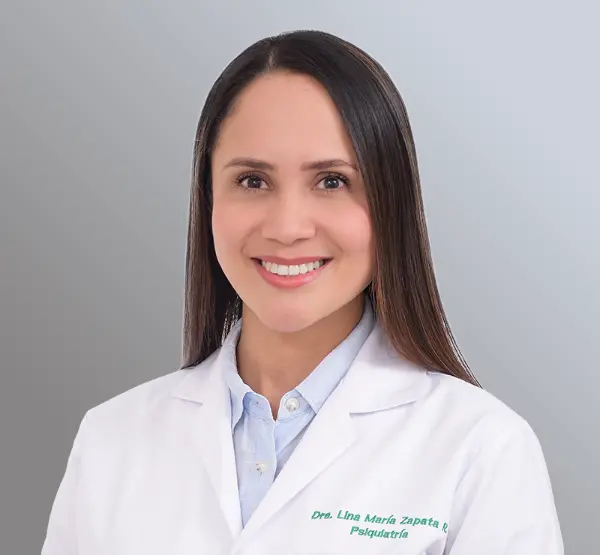
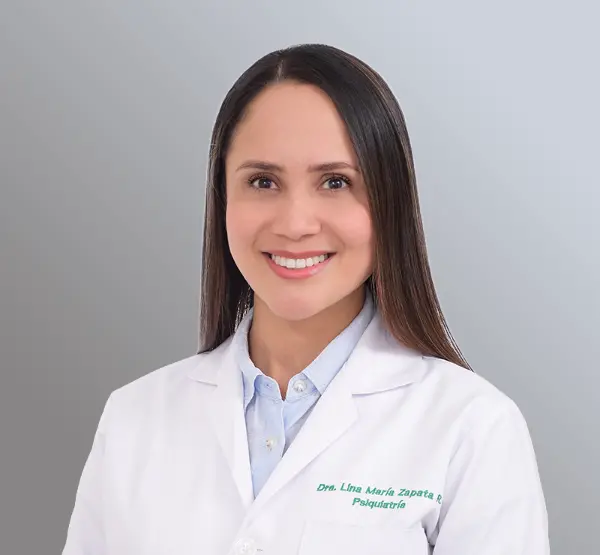
Lina María Zapata Restrepo
BIO
Lina María Zapata Restrepo, es médica psiquiatra e investigadora en el campo de las demencias y la salud cerebral. Es Investigadora Principal de la Fundación Valle del Lili, en Cali, Colombia, y está vinculada académicamente con la Universidad Icesi, con los estudiantes de medicina, y residentes de psiquiatría y neurología. Su trabajo se centra en la enfermedad de Alzheimer y la demencia frontotemporal. También es senior Atlantic Fellow, y participa en iniciativas internacionales de salud cerebral con el Global Brain Health Institute – University of California, San Francisco.
Antioquia Neuroscience Group
- Address: Calle 64 #51-31, hospital Alma Máter Sede Ambulatoria 1, bloque B, piso 3
- Google map link
- Contact: contacto@gna.org.co
- Website: https://gna.org.co
David Fernando Aguillón Niño
BIO
Dr. David Aguillón is a physician-scientist and Lecturer in Physiology and Neurosciences at the University of Antioquia School of Medicine, with over ten years of teaching experience and more than fifteen years as a member of the Grupo de Neurociencias de Antioquia (GNA). He currently serves as General Coordinator of the GNA, overseeing clinical, research, and operational activities across observational cohorts and international clinical trials focused on autosomal dominant Alzheimer’s disease (ADAD) associated with the PSEN1 E280A mutation.
His research focuses on neurodegenerative diseases, particularly Alzheimer’s disease, including early biomarkers, genetic variants, and mechanisms of resilience. He has contributed to studies on plasma biomarkers such as p-tau217 and protective variants, including APOE3 Christchurch and RELN-COLBOS, providing important insights into delayed disease onset and resistance to neurodegeneration.
Dr. Aguillón participates in NIH- and internationally funded initiatives, including the Alzheimer’s Prevention Initiative (API) ADAD Colombia Trial Program, ReDLat, studies of resilience in autosomal dominant dementias, projects on circadian dysfunction and neurodegeneration, and machine-learning approaches for early Alzheimer’s detection. His work integrates clinical, biomarker, genetic, and computational methods to advance prevention and disease-modifying strategies.
Alongside his research, he has extensive clinical experience caring for patients with Alzheimer’s disease, frontotemporal dementia, Parkinson’s disease, Huntington’s disease, CADASIL, and amyotrophic lateral sclerosis. He is also committed to mentoring medical students, residents, and graduate trainees in neuroscience and clinical research.

Hospital Universitario San Ignacio
- Address: Carrera 7 No. 40-62
- Google map link
- Contact: secretariaofcinv@husi.org.co
- Website: www.husi.org.co
Diana Matallana
BIO
Psychologist with graduate studies in Experimental Neuropsychology. Professor at the Pontificia Universidad Javeriana, Faculty of Medicine, in Bogotá-Colombia since 1986. Currently Full Professor since 2008. Main experience field is as a clinical Neuropsychologist and researcher focused on studies directed to understand cognition in normal aging driving population studies that include mental health social cognition domains. Along with the later, sequelae of neurological, psychiatric and neurodegenerative diseases such as early onset Alzheimer’s disease (AD) and non-AD dementias, mostly Frontotemporal dementia FTD, are her main areas of research and clinical practice. Since 1992, along with her colleagues, created the Memory and Cognition Clinic Center (MCC-Intellectus) at the University San Ignacio´s Hospital of the Javeriana University. Today at that center more than 45 new subjects, a week, go under an interdisciplinary consensus-based diagnosis and management board. Since 2008, until today, she has had the opportunity to investigate early onset FTD dementia trough University, and two Fogarty Grants, have allowed her to lead the early identification of interesting genetics associated with FTD in Colombia. It is intended that one of the main contributions to the Red Lat project is the way in which patients and families are studied throughout the Colombian territory.
Hernando Santamaría
BIO
El Dr. Hernando Santamaría García es investigador y especialista en el campo de las enfermedades neurodegenerativas y la salud cerebral. Está vinculado al Hospital Universitario San Ignacio y cuenta con experiencia en investigación en demencias, particularmente en la comprensión de los factores asociados al deterioro cognitivo y las enfermedades de Alzheimer y otras demencias. Su trabajo incluye experiencia en el diagnóstico y manejo de condiciones neurodegenerativas, así como en la investigación clínica y el reclutamiento y seguimiento de participantes. Ha participado en iniciativas de investigación colaborativa orientadas a comprender los determinantes de la salud cerebral y generar evidencia que contribuya al desarrollo de estrategias de prevención, cuidado e investigación en Colombia y América Latina.
FM USP
- Address: Av. Dr. Eneas de Carvalho Aguiar, 255 Room 5140 – São Paulo – São Paulo – Brazil – 05403-900
- Google map link
- Contact: redlat.brasil@gmail.com
- Website: www.hc.fm.usp.br

Leonel Tadao Takada
BIO
Dr. Takada is a behavioral neurologist, trained at University of Sao Paulo in Brazil and at UCSF Memory and Aging Center, USA (as a visiting scholar). He obtained his PhD in 2015, in which he studied monogenic forms of FTD in Brazil. His main research interests are monogenic forms of early-onset dementia (particularly AD and FTD) and the development of apps to improve quality of life in patients with mild cognitive impairment and dementia.
Luzia Lima Carreira
Mina Gerais Federal University
Elisa Resende
BIO
Elisa Resende received her medical school training from the Universidade Federal de Minas Gerais, Brazil. She received her PhD in Neuroscience at the same University. Elisa did her residency in Neurology at the Hospital das Clínicas-UFMG/EBSERH. After one year of fellowship in Behavioral Neurology and Movement Disorders, she joined the hospital staff as assistant physician. She is an Atlantic Fellow for Equity in Brain Health and teaches behavioral neurology at Faculdade de Medicina de Ciências Médicas de Minas Gerais.
Luciana Cabral
Adolfo Ibañez University
- Address: Diagonal Las Torres 2640, Peñalolén.
- Google map link
- Contact: (56 2) 2331 1000
- Website: www.brainlat.uai.cl

Claudia Duran-Aniotz
BIO
Claudia Duran-Aniotz is a neuroscientist fully dedicated to understand neurodegenerative disorders with special emphasis in Alzheimer’s disease. Since, Neurology and aging research are areas poorly developed in Latin America countries, she has focused her work to Alzheimer’s disease and dementia affecting this particular population contributing to diminish the mayor economical and social costs associated to brain health disorders. Her research and academic interests are aligned to provide a useful platform to generate new knowledge and link basic and clinical research, promoting high translational discoveries and clinical collaborations. Her projects encourage the consolidation of a research group to study the neuropathological, clinical and translational research in Alzheimer´s disease. She is also interested in global studies to validate novel biomarkers for early diagnosis and therapies to treat this neurodegenerative and age-related disorder. Currently, Dr. duran-Aniotz is co-Director of Latin American Brain Health Institute (BrainLat) at Universidad Adolfo Ibáñez (UAI) and is also involved to regional initiatives, such as the Multi-partner consortium to expand dementia research in Latin America (ReDLat) and the Latin American and Caribbean Consortium on Dementia (LAC-CD).

Agustín Ibañez
BIO
Agustín Ibanez works at the intersection of global brain health, dementia, precision neuroscience, and social, cognitive, and affective neuroscience. He is Full Professor and Director of the Latin American Brain Health Institute (BrainLat) at Universidad Adolfo Ibáñez (Chile), Professor of Global Brain Health and Team Lead of Predictive Brain Health Modelling at Trinity College Dublin, Senior Atlantic Fellow at the Global Brain Health Institute (GBHI–UCSF), Senior Researcher at Universidad de San Andrés (Argentina), and Scientific and Strategy Director of Core Scientific Assets at the Barcelonaβeta Brain Research Center, Pasqual Maragall Foundation. His research develops precision approaches to brain and whole-body health, integrating exposomics, genetics, multimodal biomarkers, brain and biological aging clocks, neuroimaging, and computational modelling. A central focus of his work is understanding how brain–body–environment interactions shape vulnerability and resilience across the lifespan, combining large-scale global datasets with AI, predictive modelling, and mechanistic approaches. He has pioneered regional and global frameworks to study dementia and brain health across diverse and historically underrepresented populations. Ibanez has published more than 500 scientific papers, with over 23,000 citations, in leading journals including The Lancet, Nature Medicine, Lancet Neurology, World Psychiatry, Nature Reviews Neuroscience, Nature Reviews Neurology, Nature Human Behaviour, Neuron, Brain, and Trends in Cognitive Sciences. He has led or co-led major international initiatives supported by the NIH/NIA, Wellcome Trust, European Union, Alzheimer’s Association, Rainwater Charitable Foundation, GBHI, and ANID, among others. He has founded and helped lead major international collaborative initiatives, including ReDLat/ReDLat2 and LAC-CD, and plays leading roles in large-scale programs including CliCBrain and MIBrain. His scientific contributions have received multiple international distinctions, including recognition among the world’s top 2% most-cited scientists, Argentina’s Raíces Prize, and distinctions from the Nature Healthspan Accelerator and other international programs. His work has been featured by The Washington Post, BBC, Nature, Nature News, Discovery Channel, Newsweek, and Le Monde, among other international media.

U. Chile (Andrea Slachevsky)
- Address: Avenida Salvador 486, Providencia, Region Metropolitana, Chile.
- Google map link
- Mail: macarena.mellico@uchile.cl
- Website: https://medicina.uchile.cl/
Andrea Slachevsky Chonchol
BIO
Andrea Slachevsky, MD, PhD, is a cognitive and behavioral neurologist and Associate Professor at the University of Chile. She leads the Memory and Neuropsychiatric Center, integrating clinical care at Hospital del Salvador with a neurocognitive disorders research program at the University of Chile. She is a principal investigator at the Center for Geroscience, Brain Health, and Metabolism (GERO). She directs REMEMVER (Red Memoria Viva Electronic Registry), a real-world data platform funded by the Alzheimer’s Association as part of its ALZ-NET International network, and leads one of the Chilean sites of ReDLat, a consortium expanding dementia research across Latin America. Her research focuses on functional abilities across the cognitive impairment continuum. Her work bridges clinical care, research, and public policy: she founded COPRAD, a non-profit dedicated to dementia awareness in Chile, and contributed to the design and implementation of the Chilean National Plan, including the country’s first Memory Clinic in a public hospital. She has published over 100 peer-reviewed articles and co-edited five books on cognitive disorders and dementia.
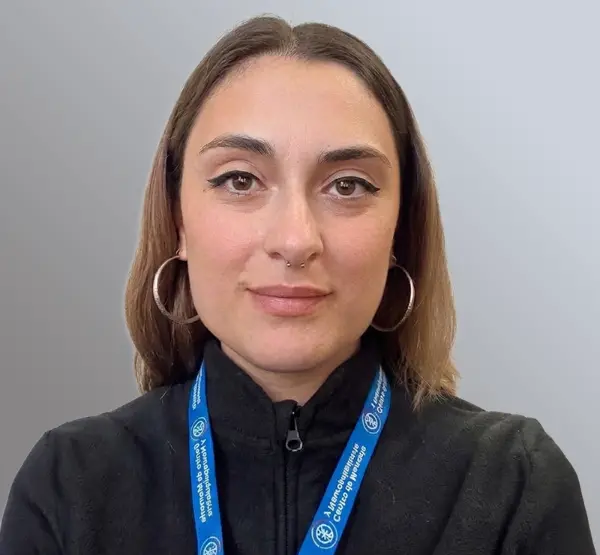

U. Chile (Lizzie Behrens)
- Address: Dr. Carlos Lorca Tobar 999 (ex Santos Dumont), Independencia – RM Chile. | CP 8380456.
- Google map link
- Contact: cica@hcuch.cl
- Website: https://cicahcuch.uchile.cl/redlat
https://www.redclinica.cl/actividad-academica/centro-de-investigacion-clinica-avanzada.aspx
María Isabel Behrens
BIO
María Isabel Behrens, MD PhD, Full Professor at the University of Chile, neurologist and researcher dedicated to the study of the molecular mechanisms of dementia, especially the inverse relationship between Alzheimer’s disease and cancer. She was director of the Department of Neurology and Neurosurgery (2017-2019) Hospital Clínico Universidad de Chile, and is currently director of the Center for Advanced Clinical Research (CICA)-Hospital Clínico Universidad de Chile. She is Principal Investigator of a Regular FONDECYT project and a FONDEF, among other collaborative works in progress. He leads a pre-clinical study to explore a new therapy for Alzheimer’s disease. She has directed 9 projects as principal investigator, and 14 as co-investigator or associate, with 92 scientific publications. He does translational research and teaches both in the neurology clinic and in the direction of master’s and doctoral theses. Member of committees of various doctorates from the University of Chile. Awarded the “2019 Medical Research Award” and incorporated as a corresponding member of the Chilean Academy of Medicine. She constantly gives lectures on Alzheimer’s and other dementias in postgraduate courses at different universities and in the media. Dr. Behrens has a network of national and international collaborators.
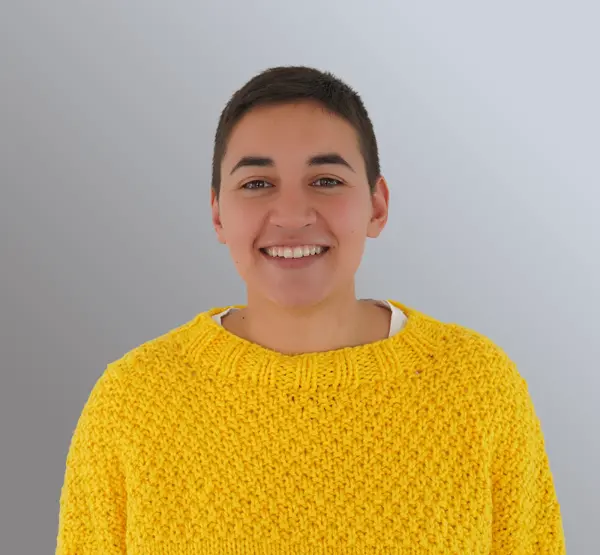
Consuelo Covarrubias

Center for Cognitive Neuroscience - University of San Andrés
- Email: coord.cnc@udesa.edu.ar.
- Google map: link
- Website: www.udesa.edu.ar/cnc
Adolfo García
BIO
Adolfo García, Ph.D., specializes in the neuroscience of language. He serves as Director of the Cognitive Neuroscience Center (Universidad de San Andrés, Argentina), Senior Fellow at the Global Brain Health Institute (University of California, San Francisco), and Associate Researcher at Universidad de Santiago de Chile. He is also co-founder of Include, a global network for crosslinguistic research on brain health; and creator of TELL, a speech testing app. He has obtained funds from multiple international agencies, including a USD 8.3 million grant from the National Institutes of Health on linguistic markers of dementia. He has authored more than 200 publications (in journals like Nature Reviews Psychology, Science Advances, Brain, Neurology, and Alzheimer’s & Dementia) and offered 350 presentations. His science communication milestones include two TED Talks, five audiovisual productions, a documentary for Canal Encuentro, a column for Radio Mitre, and mentions in Scientific American, Muy Interesante, and The Huffington Post. His contributions have been recognized by the Linguistic Association of Canada and the United States, the Argentine Association of Behavioral Science, the Legislature of the City of Buenos Aires, the Alzheimer’s Association, the International Parkinson and Movement Disorder Society, and Harvard’s Ig Nobel awards. He also received the Early Career Award, from the Society for the Neurobiology of Language; and the UpLink Top Innovator Award, from the World Economic Forum.

Fleni
Website: www.fleni.org.ar
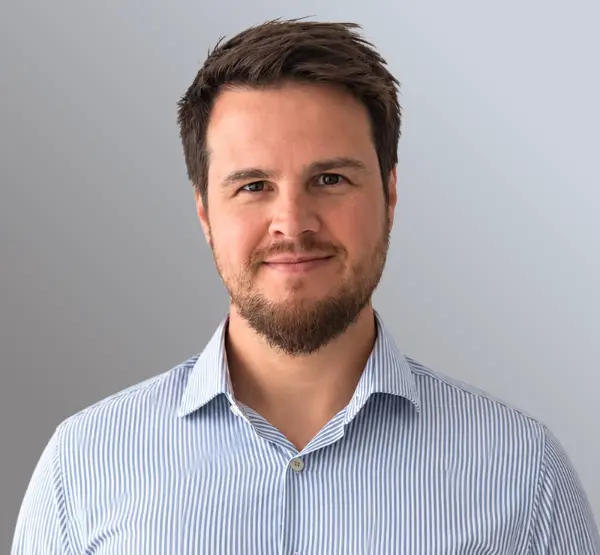
Nahuel Magrath Guimet, MD
BIO
Nahuel Magrath Guimet, MD is a neuropsychiatrist in the Department of Cognitive Neurology, Neuropsychology and Neuropsychiatry at Fleni (Buenos Aires, Argentina), where he also directs the Frontotemporal Dementia Clinic. He is an Atlantic Fellow at the Global Brain Health Institute (GBHI, UCSF), Site Principal Investigator for the ReDLat consortium at Fleni, and Associate Editor of npj Dementia. His research focuses on behavioral-onset dementias, their biomarkers, and their genetics in Latin America.
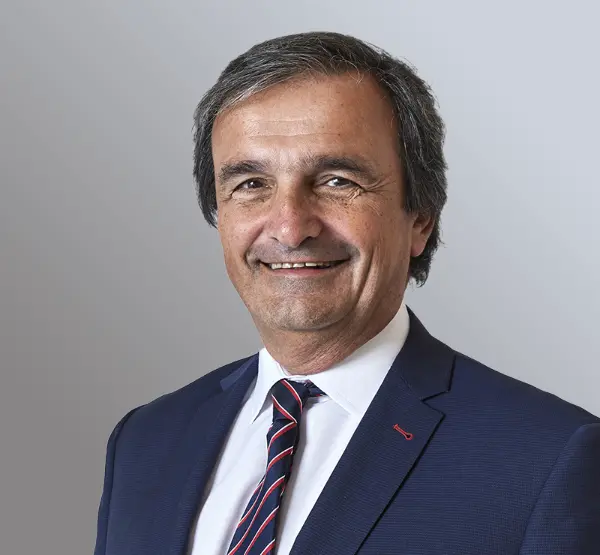
Prof. Dr. Ricardo F. Allegri
BIO
Prof. Ricardo F. Allegri is Head of the Cognitive Neurology Service at the Institute of Neurological Research, Fleni–CONICET (Buenos Aires, Argentina), and Professor of Neurology at the School of Medicine, University of Buenos Aires. He serves as Fleni Principal Investigator for DIAN, iLEADS and LatAm-FINGERS, and is a member of the Medical Advisory Board of Alzheimer’s Disease International.
Julieta Tortonesi
Universidad Católica de Cuyo
- Address: Avenida José Ignacio de la Roza 1516 (Oeste), Rivadavia, San Juan, Argentina
- Google map link
- Contact: icbm@uccuyo.edu.ar
- Website: https://uccuyo.edu.ar/
Martin Alejandro Bruno
BIO
Martin A. Bruno, PhD (McGill University, Montreal, Canada), is an Independent Researcher at CONICET (National Scientific and Technical Research Council, Argentina), Professor of Medicine and Coordinator of the Doctorate in Biomedical Sciences at the Catholic University of Cuyo, San Juan, Argentina. He is also Director of the Institute of Biomedical Sciences (ICBM), Faculty of Medical Sciences, at the Catholic University of Cuyo, and Medical Advisor at Biomind Labs. His research focuses on aging, Alzheimer’s disease and other neurodegenerative disorders, with extensive experience in clinical and translational neuroscience. He has supervised numerous doctoral theses and authored dozens of scientific publications in international peer-reviewed journals.
Laura Noguera
Mariana Zanino

University of California, San Francisco
- Address: Fein Memory and Aging Center, Box 1207, 675 Nelson Rising Lane, San Francisco, CA 94158
- Google map: link
- Website: www.memory.ucsf.edu
Bruce Miller
BIO
Bruce L. Miller, MD, holds the A.W. and Mary Margaret Clausen Distinguished Professorship in Neurology at the University of California, San Francisco, directs the UCSF Memory and Aging Center and is a director of the Global Brain Health Institute. He is the principal investigator of the NIH-sponsored UCSF Alzheimer’s Disease Research Center and program project grant on frontotemporal dementia. In addition, he helps lead the Tau Consortium and The Bluefield Foundation, precision medicine collaborations focused on developing treatments for tauopathies and progranulin-mediated forms of frontotemporal dementia.
Miller is a behavioral neurologist who studies the underlying mechanisms of neurocognitive disorders and is a world-renowned expert in the diagnosis and management of dementia. Until recently, most cases of dementia were classified as Alzheimer’s disease with little awareness of the importance of non-Alzheimer dementias. Miller’s description of changes in behavior, language and emotion in the setting of aging have improved the separation of various neurodegenerative diseases from one another, in particular Alzheimer’s disease from frontotemporal dementia. To support people after diagnosis, Miller has pioneered groundbreaking changes in the provision of care coordination for patients with dementia and their caregivers. His ongoing work includes overseeing a healthy aging program and an artist in residence program, both of which emphasize positive aspects of aging.
Miller has been featured in Fortune Magazine, The New York Times, 60 Minutes and the PBS Newshour. He has authored more than 1000 publications and written The Human Frontal Lobes, The Behavioral Neurology of Dementia, Frontotemporal Dementia and Finding the Right Words, a book on Alzheimer’s disease from the perspective of a daughter written with Atlantic Fellow for Equity in Brain Health Cynthia Weinstein, PhD. He has received many awards including the Potamkin Award from the American Academy of Neurology, the Elliot Royer Award from the San Francisco Neurological community, the Robert A. Fishman Award and Lecture, and the UCSF Lifetime Achievement in Mentoring Award. He is an elected member of the National Academy of Medicine.
Miller’s extensive knowledge in clinical diagnosis, disease pathology, and brain-behavior relationships make him a widely sought-after teacher and mentor. He founded the Behavioral Neurology Fellowship at UCSF, oversees visits of more than 50 foreign scholars every year, and co-directs the Global Brain Health Institute, a training program for global leaders in brain health to reduce the scale and impact of dementia around the world. These international collaborations have fostered the development of new prevention and therapeutic approaches and have pushed researchers worldwide toward a more precise understanding of frontotemporal dementia and other neurodegenerative diseases.

Jennifer Yokoyama
BIO
Jennifer Yokoyama obtained her doctorate degree in Pharmaceutical Sciences and Pharmacogenomics from UCSF in December 2010 with Dr. Steven Hamilton (Department of Psychiatry and Institute for Human Genetics). Her dissertation comprised work within the Canine Behavioral Genetics Project, utilizing purebred dogs as genetic models for studying neuropsychiatric disease. Utilizing community-based canine DNA samples, Dr. Yokoyama performed genome-wide surveys for genetic loci underlying the canine anxiety disorder noise phobia, as well as for loci underlying adult-onset deafness in border collies.
Dr. Yokoyama is currently a Professor at the UCSF Department of Neurology Memory and Aging Center and in the Department of Radiology & Biomedical Imaging. She has expertise in neurogenetics, genomics, transcriptomics, neuroimaging, statistics, bioinformatics, and clinical research of neurodegenerative disease. In addition, Dr. Yokoyama leads the UCSF Alzheimer Disease Research Center’s (ADRC) Biomarker Core and is a faculty member in the Global Brain Health Institute. Dr. Yokoyama is interested in the effect genotype can have on brain physiology, behavior and cognition in healthy older adults, and how this is related to increased vulnerability to (or protection from) neurodegenerative processes during aging. She is also particularly interested in understanding these effects in diverse ethnic populations. Dr. Yokoyama’s long-term goal is to understand how variation across the entire genome confers risk for particular types of neurodegeneration for purposes of early treatment and therapeutic intervention.
In 2020, Dr. Yokoyama received the Alzheimer’s Association Excellence in Neuroscience Mentoring Award in recognition of her mentorship, advocacy, sponsorship and guidance of trainees in her laboratory. In 2021, she received the Mary Oakley Foundation Professorship in Neurodegeneration.

Katherine Possin
BIO
Dr. Possin’s research program is focused on improving the detection, diagnosis and care for people with neurodegenerative disease. She has long-standing interests in understanding the cognitive impairments and their neural bases in neurodegenerative diseases including Alzheimer’s disease, Lewy body disease, Huntington’s disease, chronic traumatic encephalopathy and frontotemporal lobar degeneration. She is the project lead of TabCAT, a software platform for tablet-based cognitive testing frequently used in research studies and clinical services. The Brain Health Assessment is a 10-minute assessment on TabCAT designed for the detection of cognitive impairment in everyday clinical settings. She also the principal investigator of the Care Ecosystem, a telephone-based supportive care program for persons with dementia and their caregivers. Dr. Possin is a faculty member at the Global Brain Health Institute.
Kate Possin was awarded her PhD degree in clinical psychology from the University of California, San Diego. During her training at UCSD, she studied cognitive changes associated with Parkinson’s disease. She completed her internship in clinical neuropsychology at UC San Francisco in the departments of psychiatry and neurology and did her postdoctoral fellowship in the UCSF Department of Neurology. She currently holds the John Douglas French Alzheimer’s Foundation Endowed Professorship and is an associate professor in residence in the Department of Neurology.
Dr. Possin is accepting applications for a postdoctoral fellowship in neuropsychology and a postdoctoral fellowship in dementia healthcare innovation.
Victor Valcour
BIO
Dr. Valcour is a Professor of Medicine with a shared appointment in the Division of Geriatric Medicine and the Department of Neurology. His work crosses disciplines to research and care for cognitive disorders in aging populations and to understand brain injury in the setting of HIV among all ages, including funded pediatric HIV studies. His clinical work involves consultations for patients with cognitive disorders at the UCSF Memory and Aging Center.
While much of Dr. Valcour’s research is completed at UCSF, he has a large international portfolio with many opportunities for junior investigators. Within Southeast Asia, he is Deputy Director of SEARCH/Thailand operating research in acute HIV (within days of infection), pediatric HIV, and markers of dementia in chronic HIV. In Africa, he has partnered with the US Military HIV Research Program to survey cognitive disorders among HIV-infected individuals in Nigeria, Uganda, Kenya, and Tanzania.
Dr. Valcour is broadly involved in mentoring individuals at all levels of training who are interested in clinical research related to cognitive disorders, particularly in association with HIV infection. He has extensive global health experience.
Dr. Valcour’s research interests have two major emphases. He is currently developing a research program that aims to understand optimal care strategies for elders who develop dementia. Nested within the Memory and Aging Center, the long-term goal of this program is to provide model care for elders with cognitive disorders.
Dr. Valcour is internationally recognized for research in cognitive disorders related to HIV. He currently operates 3 NIH R01 series grants within 3 novel cohorts: (1) a chronic HIV infected cohort followed since first initiation of cART; (2) an acute HIV cohort of individuals infected for less than one month at enrollment; (3) and a pediatric cohort in Thailand and Cambodia. He is the Deputy Director of SEARCH/Thailand
(www.SEARCHThailand.org). He also operates the UCSF HIV Over 60 Cohort focused on understanding cognitive disorders in the older HIV population living in the San Francisco Bay area. New research will survey of cognitive disorders in HIV for individuals living in Uganda, Kenya, Tanzania and Nigeria.
Dr. Valcour is actively engaged in mentoring individuals wishing to become independent clinical researchers. His research portfolio provides a broad array of local and international projects that can serve as resources for mentored projects. Dr. Valcour serves as an Executive Committee member of the AIDS Research Institute (ARI).

Hudson Alpha
- Address: 601 Genome Way,
Huntsville, AL, 35806. - Google map: link
- Website: www.hudsonalpha.org

J. Nicholas (Nick) Cochran
BIO
Dr. Nick Cochran obtained his undergraduate degree in 2010 from Auburn University where he conducted research with Douglas Martin, his PhD in neuroscience from UAB in 2015 where we trained with Erik Roberson, and completed a postdoctoral fellowship in 2021 with Richard Myers at HudsonAlpha before continuing on as a Faculty Investigator at HudsonAlpha. Throughout his career, Nick has focused on contributing to research on Alzheimer’s disease and other neurodegenerative diseases. Current Cochran lab projects focus on: (1) right-sizing both genetic association studies in underrepresented populations and applying functional genomics approaches in a manner relevant to underrepresented populations to properly capture how genetic diversity both at the individual and population levels could influence the effects of genetic variation, (2) obtaining a detailed understanding of the regulation of neurodegeneration-associated genes to propose new therapeutic approaches, and (3) working towards a higher level of evidence for non-coding variation (with a focus on rare non-coding variation) to provide a toolbox to understand disease risk.

Harvard Medical School
- Address: Massachusetts General Hospital, 149 13th Street, 4.013, Charlestown, MA 02129.
- Google map link
- Website: www.mbc.mgh.harvard.edu
Kun Hu
BIO
Dr. Hu is an Associate Professor of Medicine at Harvard Medical School (HMS), currently working in the Department of Anesthesia, Critical Care, and Pain Medicine at Massachusetts General Hospital (MGH) and in the Division of Sleep and Circadian Disorders at Brigham & Women’s Hospital (BWH). With a multidisciplinary training in sleep/circadian physiology, human experiments, and complex data analysis, he has been promoting the application of novel concepts/methods of nonlinear dynamics in clinical medicine and aging research. Dr. Hu currently serves on the Research Career Development Committee of the AASM Foundation, the Diversity, Equity, and Inclusion Committee of SRS, and the Steering Committee of the Cognition PIA Executive Committee of the Alzheimer’s Association International Society to Advance Alzheimer’s Research and Treatment. He is also a preceptor and curriculum advisor for the Research Training Program in Sleep, Circadian and Respiratory Neurobiology at HMS, and a faculty member of the Harvard Anesthesia Research Training Program.
Dr. Hu’s research is focused on developing and applying nonlinear analytical tools to examine neurophysiological functions including sleep and circadian regulation and their alterations with aging and in diseases such as Alzheimer’s disease. To promote such translational research, he established the Medical Biodynamics Program (MBP) in the HMS Sleep Medicine Division with the goal of providing training in this new, interdisciplinary field and facilitating collaborations among clinicians, biomedical researchers, physicists, applied mathematicians, and engineers. The research in the MBP has been continuously funded by the NIH since 2009 to investigate sleep/circadian control and fractal regulation of daily behaviors in Alzheimer’s disease using large cohort studies (Rush Alzheimer’s Disease Center and the UK Biobank).

NRI University of California, Santa Barbara
- Website: https://www.nri.ucsb.edu/
Kenneth S. Kosik
BIO
Kenneth S. Kosik is a physician scientist who held a series of academic appointments at the Harvard Medical School and achieved the rank of full professor in 1996. In 2004, Kosik became the Harriman Distinguished Professor of Neuroscience and Co-Director of the Neuroscience Research Institute at UCSB. Kosik’s group was one of several labs that discovered Tau protein in Alzheimer neurofibrillary tangles and defined many of its molecular features.
His work has been instrumental in characterizing the large familial Alzheimer’s disease kindreds in Colombia. He was the 2020 recipient of the Potamkin prize and an elected fellow of the AAAS. He has written The Alzheimer’s Solution: How Today’s Care is Failing Millions and How We Can Do Better and Outsmarting Alzheimer’s Disease. His work has been featured in the New York Times, the Wall Street Journal, the New Yorker, BBC, CNN and 60 Minutes. His 2016 University of California Santa Barbara commencement address is archived here https://www.youtube.com/watch?v=Z8OR81ucHyY.

Juliana Acosta Uribe
BIO
Dr. Juliana Acosta-Uribe obtained her MD from the Universidad de Antioquia and her PhD in molecular biology from the University of California, Santa Barbara. She has been actively engaged in the study of neurodegenerative diseases for over twelve years, combining expertise in clinical research with a strong focus on computational genomics. Her work has been instrumental in advancing our understanding of genotype-phenotype correlations and the influence of multi-ancestral genetic risk factors on dementia in Latin American populations.
She has extensive experience in developing collaborative projects between institutions in the United States and Latin America. She led the study of a Colombian cohort of 900 participants with neurodegenerative conditions. Since the inception of RedLat, she has played a key role in genomic analyses of the cohort, spearheading the variant curation process to identify families with genetic dementia and facilitating the communication of genetic findings to the principal investigators of the consortium.
Beyond her research, Dr. Acosta-Uribe is an advocate for genomic literacy, leading training programs in computational genetics to help Latin American researchers engage more deeply with genetic data analysis. Her mentorship extends beyond her research, encouraging diversity and inclusion within the global scientific community. Through her work and advocacy, Dr. Acosta-Uribe plays a key role in expanding the field of neurogenetics and supporting a more diverse scientific community.
Stefanie Piña Escudero
Scientific Lead at UCSF
Stefanie Piña Escudero
Scientific Lead at UCSF
Stefanie earned her medical degree in Mexico City, where she subsequently completed her residency in Internal Medicine and fellowship training in Geriatrics. She later moved to the United States to complete the Atlantic Fellowship at the UCSF Memory and Aging Center. She went on to earn a Master of Science in UCSF’s Pharmaceutical Sciences and Pharmacogenomics program and is currently completing her PhD in the same program.
Her research focuses on understanding how genomic diversity influences neurodegenerative diseases in admixed populations, with the goal of advancing a more representative understanding of the genetic architecture of these disorders. She serves as the Scientific Lead of the Multi-Partner Consortium to Expand Dementia Research in Latin America (ReDLat).
Marcelo Maito
Data Manager
Marcelo Maito
Data Manager
Marcelo Adrián Maito is a graduate of Political Science from the University of Buenos Aires. Afterward, he attended postgraduate studies in Research Methodology in Social Sciences at Universidad Nacional Tres de Febrero (UNTREF) and obtained a Master’s degree in n Data Mining and Knowledge Management at Austral University (UA).
Currently, he is the Data Manager of the NIH/NIR R01: “Multi-Partner Consortium to Expand Dementia Research in Latin America (ReDLat)” and Online Researcher of the “Global Datos Brain Health Latam” project at the School of Psychology of the Universidad Adolfo Ibañez.
He has extensive experience in the health sector, working for more than ten years at the National Administration of Medicines, Food and Medical Technology (ANMAT). He fulfilled functions of representation and negotiation of technical regulations within the framework of MERCOSUR, in bilateral cooperation projects, and managing regional cooperation projects. Subsequently, he carried out training and research tasks in the Coordination of Training and Scientific-Sanitary Research and was in charge of the “Strategic Data Analytical Innovation Program”.
Guido Rocatti
Assistant Data Manager at UdeSA
Guido Rocatti
Assistant Data Manager at UdeSA
Guido Rocatti holds a degree in Anthropology from the Universidad Nacional de La Plata (UNLP) in Argentina. Following his graduation, Rocatti engaged in extensive research in the field of Biology at the Museo de La Plata and the National Scientific and Technical Research Council(CONICET). During this period, he developed a robust skill set in Statistics, Geometric morphometrics, Evolutionary biology, and other related areas.
Rocatti’s career is also marked by contributions to academia. He has authored several articles published in top-tier scientific magazines and has been an active participant in both national and international congresses. His expertise extends beyond research; he has a history of teaching Anthropology and Statistics at the UNLP. Further enhancing his profile, Rocatti has completed numerous courses in Data Analytics, Data Science, and Programming, evidencing his commitment to continuous learning and staying abreast of the latest developments in his field. His diverse skill set and experiences make him a unique and valuable asset in the intersecting worlds of anthropology, biology, and data science. Currently, Guido Rocatti works with Marcelo Maito in the data management working group of the ReDLat project.
Francisca Cabello
Project manager at UAI
Francisca Cabello
Project manager at UAI
Coming soon.
Eugenia Godoy
Program Manager
Eugenia Godoy
Program Manager
María Eugenia Godoy is Program Manager of the Multi-Partner Consortium to Expand Dementia Research in Latin America (ReDLat), and is responsible for the coordination of international projects at the Latin American Brain Health Institute (BrainLat), Universidad Adolfo Ibáñez (UAI). She holds a Master’s degree in Institutional Communication, an international certification in Project Management, and a specialization in Brain Health with an international certification from Universidad Adolfo Ibáñez (UAI), and is an Atlantic Fellow at the Global Brain Health Institute (Trinity College Dublin). Leading the consortium’s overall management, she drives the administrative, financial, regulatory, and operational coordination of a portfolio of internationally funded research projects, overseeing 13 enrollment centers, 18 budgets, and the harmonization of more than 40 subcontracts. She previously coordinated bilateral scientific cooperation at Argentina’s Ministry of Science, Technology, and Innovation, managing more than 600 international collaborations.
Catherina Dhooge
Program Manager at UdeSA
Catherina Dhooge
Program Manager at UdeSA
Catherina Dhooge holds a degree in International Relations and completed her Master’s studies in Science and Technology Policy and Management at the University of Buenos Aires. She also has specialized training in international cooperation and public policy.
She has extensive experience in international cooperation, initially within the higher education sector, where she contributed to the development and implementation of internationalization initiatives and academic partnerships. She later joined Argentina’s National Scientific and Technical Research Council (CONICET), where, for more than eight years, she coordinated international cooperation activities in science, technology, and innovation. At CONICET, she led bilateral negotiations and senior-level institutional engagements with government agencies, research councils, universities, and scientific organizations worldwide. Her work included coordinating official missions and high-level meetings, developing strategic partnerships, negotiating cooperation agreements, and managing joint research calls, scientific workshops, and other international funding and cooperation instruments.
Catherina joined ReDLat’s project management team in Argentina in late 2023, supporting the coordination and implementation of large-scale, multi-institutional research initiatives focused on dementia and brain health across Latin America.
Anahí Tofful
Assistant Project Manager at UdeSA
Anahí Tofful
Assistant Project Manager at UdeSA
Coming soon.
Victor Valcour
- Institute: University of California San Francisco.
- Role: Site PI
- Contact: victor.valcour@ucsf.edu
Victor Valcour
- Institute: University of California San Francisco.
- Role: Site PI
- Contact: victor.valcour@ucsf.edu
Dr. Valcour is a Professor of Medicine with a shared appointment in the Division of Geriatric Medicine and the Department of Neurology. His work crosses disciplines to research and care for cognitive disorders in aging populations and to understand brain injury in the setting of HIV among all ages, including funded pediatric HIV studies. His clinical work involves consultations for patients with cognitive disorders at the UCSF Memory and Aging Center.
While much of Dr. Valcour’s research is completed at UCSF, he has a large international portfolio with many opportunities for junior investigators. Within Southeast Asia, he is Deputy Director of SEARCH/Thailand operating research in acute HIV (within days of infection), pediatric HIV, and markers of dementia in chronic HIV. In Africa, he has partnered with the US Military HIV Research Program to survey cognitive disorders among HIV-infected individuals in Nigeria, Uganda, Kenya, and Tanzania.
Dr. Valcour is broadly involved in mentoring individuals at all levels of training who are interested in clinical research related to cognitive disorders, particularly in association with HIV infection. He has extensive global health experience.
Dr. Valcour’s research interests have two major emphases. He is currently developing a research program that aims to understand optimal care strategies for elders who develop dementia. Nested within the Memory and Aging Center, the long-term goal of this program is to provide model care for elders with cognitive disorders.
Dr. Valcour is internationally recognized for research in cognitive disorders related to HIV. He currently operates 3 NIH R01 series grants within 3 novel cohorts: (1) a chronic HIV infected cohort followed since first initiation of cART; (2) an acute HIV cohort of individuals infected for less than one month at enrollment; (3) and a pediatric cohort in Thailand and Cambodia. He is the Deputy Director of SEARCH/Thailand
(www.SEARCHThailand.org). He also operates the UCSF HIV Over 60 Cohort focused on understanding cognitive disorders in the older HIV population living in the San Francisco Bay area. New research will survey of cognitive disorders in HIV for individuals living in Uganda, Kenya, Tanzania and Nigeria.
Dr. Valcour is actively engaged in mentoring individuals wishing to become independent clinical researchers. His research portfolio provides a broad array of local and international projects that can serve as resources for mentored projects. Dr. Valcour serves as an Executive Committee member of the AIDS Research Institute (ARI).
Nilton Custodio
- Institute: Peruvian Institute of Neurosciences.
- Role: Site PI
- Contact: ncustodio@ipn.pe
Nilton Custodio
- Institute: Peruvian Institute of Neurosciences.
- Role: Site PI
- Contact: ncustodio@ipn.pe
Dr. Nilton Custodio is a neurologist specializing in global approaches to neurodegenerative diseases, with a focus on underserved populations, including low-education groups and native Aymara and Quechua communities. He serves as the Medical Director of the Instituto Peruano de Neurociencias in Lima, Peru, and as the Scientific Advisor at Equilibria, the country’s first brain health promotion center. He earned his medical degree, Master’s in Medicine, and PhD in Neurosciences from Universidad Nacional Mayor de San Marcos.
A Fellow of the American Academy of Neurology (FAAN) since 2017 and former President of the Peruvian Society of Neurology, Dr. Custodio has authored over 200 high-impact scientific publications and serves as an Associate Editor for several international journals. Over the past five years, his research has received funding from major international organizations, including the Alzheimer’s Association, the NIH/National Institute on Aging, and the UK Medical Research Council (MRC).
He is a founding member of the Latin American and Caribbean Consortium on Dementia (LAC-CD) and actively leads major regional initiatives, such as the Multi-partner Consortium to expand dementia research in Latin America (ReDLat), Genetics in Alzheimer’s Peruvian Population (GAPP), Iniciativa Latinoamericana de intervención para prevenir el deterioro cognitivo (LatAm fingers), Global Latinos Sequencing Study for Alzheimer’s Disease (GLASS-AD), and and Innovations using mHealth for People with Dementia and Co-Morbidity and their Carers (IMPACT).
Nick Cochran
- Institute: HudsonAlpha – Institute for Biotechnology.
- Role: Principal Investigator
- Contact: ncochran@hudsonalpha.org
Nick Cochran
- Institute: HudsonAlpha – Institute for Biotechnology.
- Role: Principal Investigator
- Contact: ncochran@hudsonalpha.org
|
Dr. Nick Cochran obtained his undergraduate degree in 2010 from Auburn University where he conducted research with Douglas Martin, his PhD in neuroscience from UAB in 2015 where we trained with Erik Roberson, and completed a postdoctoral fellowship in 2021 with Richard Myers at HudsonAlpha before continuing on as a Faculty Investigator at HudsonAlpha. Throughout his career, Nick has focused on contributing to research on Alzheimer’s disease and other neurodegenerative diseases. Current Cochran lab projects focus on: (1) right-sizing both genetic association studies in underrepresented populations and applying functional genomics approaches in a manner relevant to underrepresented populations to properly capture how genetic diversity both at the individual and population levels could influence the effects of genetic variation, (2) obtaining a detailed understanding of the regulation of neurodegeneration-associated genes to propose new therapeutic approaches, and (3) working towards a higher level of evidence for non-coding variation (with a focus on rare non-coding variation) to provide a toolbox to understand disease risk.
|
Nahuel Magrath
- Institute: Foundation for the Fight Against Neurological Diseases in Childhood
Nahuel Magrath
- Institute: Foundation for the Fight Against Neurological Diseases in Childhood
Coming soon.
Martín Bruno
- Role: Site PI
- Institute: Catholic University of Cuyo
Martín Bruno
- Role: Site PI
- Institute: Catholic University of Cuyo
Martin A. Bruno, PhD (McGill University, Montreal, Canada), is an Independent Researcher at CONICET (National Scientific and Technical Research Council, Argentina), Professor of Medicine and Coordinator of the Doctorate in Biomedical Sciences at the Catholic University of Cuyo, San Juan, Argentina. He is also Director of the Institute of Biomedical Sciences (ICBM), Faculty of Medical Sciences, at the Catholic University of Cuyo, and Medical Advisor at Biomind Labs. His research focuses on aging, Alzheimer’s disease and other neurodegenerative disorders, with extensive experience in clinical and translational neuroscience. He has supervised numerous doctoral theses and authored dozens of scientific publications in international peer-reviewed journals.
Marilú Gorno Tempini
- Role: Site PI
- Institute: University of California San Francisco
- Contact: marilu.gorno-tempini@gbhi.org
Marilú Gorno Tempini
- Role: Site PI
- Institute: University of California San Francisco
- Contact: marilu.gorno-tempini@gbhi.org
“Dr. Maria Luisa Gorno Tempini is a behavioral neurologist and holds the Charles Schwab Endowed Professorship in Dyslexia and Neurodevelopment. She currently directs the Language Neurobiology Laboratory at the UCSF Memory and Aging Center and co-directs the UCSF Dyslexia Center. She obtained her medical degree and clinical neurology specialty training in Italy and has a doctorate in the neuroimaging of language from University College London.
Her clinical work concentrates on behavioral neurology across the lifespan, and her research investigates the neural basis of higher cognitive functions such as language and memory. Dr. Gorno Tempini has applied her expertise in cognitive neurology to neurodegenerative diseases, particularly primary progressive aphasia (PPA) and frontotemporal dementia (FTD), and to language-based learning differences, such as dyslexia. In 2011, Dr. Gorno Tempini’s NIH-funded research resulted in new diagnostic criteria for PPA and its variants.
In 2014, Dr. Gorno Tempini co-founded the UCSF Dyslexia Center, which aims to classify dyslexia into behavioral phenotypes defined by patterns of neuropsychological strengths and weaknesses. These efforts will lead to more targeted assessments and treatments amongst clinical and educational systems. The UCSF Dyslexia Center brings together neurologists, psychiatrists, biomedical engineers, radiologists, neuropsychologists, speech-language pathologists and research coordinators to discover structural and functional differences in the brains of children and older adults with dyslexia.
Dr. Gorno Tempini leads many projects at UCSF and is funded by the NIH and various philanthropic sources. She is particularly dedicated to mentoring and was awarded an NIH K24 grant to mentor interdisciplinary researchers in the field of clinical cognitive neuroscience.”
María Isabel Behrens
- Role: Site PI
- Institute: University of Chile
María Isabel Behrens
- Role: Site PI
- Institute: University of Chile
María Isabel Behrens, MD PhD, Full Professor at the University of Chile, neurologist and researcher dedicated to the study of the molecular mechanisms of dementia, especially the inverse relationship between Alzheimer’s disease and cancer. She was director of the Department of Neurology and Neurosurgery (2017-2019) Hospital Clínico Universidad de Chile, and is currently director of the Center for Advanced Clinical Research (CICA)-Hospital Clínico Universidad de Chile. She is Principal Investigator of a Regular FONDECYT project and a FONDEF, among other collaborative works in progress. He leads a pre-clinical study to explore a new therapy for Alzheimer’s disease. She has directed 9 projects as principal investigator, and 14 as co-investigator or associate, with 92 scientific publications. He does translational research and teaches both in the neurology clinic and in the direction of master’s and doctoral theses. Member of committees of various doctorates from the University of Chile. Awarded the “2019 Medical Research Award” and incorporated as a corresponding member of the Chilean Academy of Medicine. She constantly gives lectures on Alzheimer’s and other dementias in postgraduate courses at different universities and in the media. Dr. Behrens has a network of national and international collaborators.
Lina Zapata
- Role: Site PI
- Institute: Valle del Lili Foundation in CaliValle del Lili Foundation in Cali
Lina Zapata
- Role: Site PI
- Institute: Valle del Lili Foundation in CaliValle del Lili Foundation in Cali
Lina María Zapata Restrepo, es médica psiquiatra e investigadora en el campo de las demencias y la salud cerebral. Es Investigadora Principal de la Fundación Valle del Lili, en Cali, Colombia, y está vinculada académicamente con la Universidad Icesi, con los estudiantes de medicina, y residentes de psiquiatría y neurología. Su trabajo se centra en la enfermedad de Alzheimer y la demencia frontotemporal. También es senior Atlantic Fellow, y participa en iniciativas internacionales de salud cerebral con el Global Brain Health Institute – University of California, San Francisco.
Leonel Takada
- Role: Principal Investigator
- Institute: Hospital das Clínicas/Facultade de Medicina, Universidade de Sao Paulo
- Contact: leonel.takada@hc.fm.usp.br
Leonel Takada
- Role: Principal Investigator
- Institute: Hospital das Clínicas/Facultade de Medicina, Universidade de Sao Paulo
- Contact: leonel.takada@hc.fm.usp.br
Dr. Takada is a behavioral neurologist, trained at University of Sao Paulo in Brazil and at UCSF Memory and Aging Center, USA (as a visiting scholar). He obtained his PhD in 2015, in which he studied monogenic forms of FTD in Brazil. His main research interests are monogenic forms of early-onset dementia (particularly AD and FTD) and the development of apps to improve quality of life in patients with mild cognitive impairment and dementia.
Kun Hu
- Role: Site PI
- Institute: Harvard Medical School
- Contact: khu1@mgh.harvard.edu
Kun Hu
- Role: Site PI
- Institute: Harvard Medical School
- Contact: khu1@mgh.harvard.edu
“Dr. Hu is an Associate Professor of Medicine at Harvard Medical School (HMS), currently working in the Department of Anesthesia, Critical Care, and Pain Medicine at Massachusetts General Hospital (MGH) and in the Division of Sleep and Circadian Disorders at Brigham & Women’s Hospital (BWH). With a multidisciplinary training in sleep/circadian physiology, human experiments, and complex data analysis, he has been promoting the application of novel concepts/methods of nonlinear dynamics in clinical medicine and aging research. Dr. Hu currently serves on the Research Career Development Committee of the AASM Foundation, the Diversity, Equity, and Inclusion Committee of SRS, and the Steering Committee of the Cognition PIA Executive Committee of the Alzheimer’s Association International Society to Advance Alzheimer’s Research and Treatment. He is also a preceptor and curriculum advisor for the Research Training Program in Sleep, Circadian and Respiratory Neurobiology at HMS, and a faculty member of the Harvard Anesthesia Research Training Program.
Dr. Hu’s research is focused on developing and applying nonlinear analytical tools to examine neurophysiological functions including sleep and circadian regulation and their alterations with aging and in diseases such as Alzheimer’s disease. To promote such translational research, he established the Medical Biodynamics Program (MBP) in the HMS Sleep Medicine Division with the goal of providing training in this new, interdisciplinary field and facilitating collaborations among clinicians, biomedical researchers, physicists, applied mathematicians, and engineers. The research in the MBP has been continuously funded by the NIH since 2009 to investigate sleep/circadian control and fractal regulation of daily behaviors in Alzheimer’s disease using large cohort studies (Rush Alzheimer’s Disease Center and the UK Biobank).”
Kenneth S. Kosik
- Role: Principal Investigator
- Institute: University of California Santa Barbara.
- Contact: kosik@lifesci.ucsb.edu
Kenneth S. Kosik
- Role: Principal Investigator
- Institute: University of California Santa Barbara.
- Contact: kosik@lifesci.ucsb.edu
Kenneth S. Kosik is a physician scientist who held a series of academic appointments at the Harvard Medical School and achieved the rank of full professor in 1996. In 2004, Kosik became the Harriman Distinguished Professor of Neuroscience and Co-Director of the Neuroscience Research Institute at UCSB. Kosik’s group was one of several labs that discovered Tau protein in Alzheimer neurofibrillary tangles and defined many of its molecular features.
His work has been instrumental in characterizing the large familial Alzheimer’s disease kindreds in Colombia. He was the 2020 recipient of the Potamkin prize and an elected fellow of the AAAS. He has written The Alzheimer’s Solution: How Today’s Care is Failing Millions and How We Can Do Better and Outsmarting Alzheimer’s Disease. His work has been featured in the New York Times, the Wall Street Journal, the New Yorker, BBC, CNN and 60 Minutes. His 2016 University of California Santa Barbara commencement address is archived here https://www.youtube.com/watch?v=Z8OR81ucHyY.
Katherine Possin
- Role: Site PI
- Institute: University of California San Francisco.
- Contact: Katherine.Possin@ucsf.edu
Katherine Possin
- Role: Site PI
- Institute: University of California San Francisco.
- Contact: Katherine.Possin@ucsf.edu
Dr. Possin’s research program is focused on improving the detection, diagnosis and care for people with neurodegenerative disease. She has long-standing interests in understanding the cognitive impairments and their neural bases in neurodegenerative diseases including Alzheimer’s disease, Lewy body disease, Huntington’s disease, chronic traumatic encephalopathy and frontotemporal lobar degeneration. She is the project lead of TabCAT, a software platform for tablet-based cognitive testing frequently used in research studies and clinical services. The Brain Health Assessment is a 10-minute assessment on TabCAT designed for the detection of cognitive impairment in everyday clinical settings. She also the principal investigator of the Care Ecosystem, a telephone-based supportive care program for persons with dementia and their caregivers. Dr. Possin is a faculty member at the Global Brain Health Institute.
Kate Possin was awarded her PhD degree in clinical psychology from the University of California, San Diego. During her training at UCSD, she studied cognitive changes associated with Parkinson’s disease. She completed her internship in clinical neuropsychology at UC San Francisco in the departments of psychiatry and neurology and did her postdoctoral fellowship in the UCSF Department of Neurology. She currently holds the John Douglas French Alzheimer’s Foundation Endowed Professorship and is an associate professor in residence in the Department of Neurology.
Dr. Possin is accepting applications for a postdoctoral fellowship in neuropsychology and a postdoctoral fellowship in dementia healthcare innovation.
Juliana Acosta-Uribe
- Role: Co – Investigator
- Institute: University of California Santa Barbara.
- Contact: acostauribe@ucsb.edu
Juliana Acosta-Uribe
- Role: Co – Investigator
- Institute: University of California Santa Barbara.
- Contact: acostauribe@ucsb.edu
Dr. Juliana Acosta-Uribe obtained her MD from the Universidad de Antioquia and her PhD in molecular biology from the University of California, Santa Barbara. She has been actively engaged in the study of neurodegenerative diseases for over twelve years, combining expertise in clinical research with a strong focus on computational genomics. Her work has been instrumental in advancing our understanding of genotype-phenotype correlations and the influence of multi-ancestral genetic risk factors on dementia in Latin American populations.
She has extensive experience in developing collaborative projects between institutions in the United States and Latin America. She led the study of a Colombian cohort of 900 participants with neurodegenerative conditions. Since the inception of RedLat, she has played a key role in genomic analyses of the cohort, spearheading the variant curation process to identify families with genetic dementia and facilitating the communication of genetic findings to the principal investigators of the consortium.
Beyond her research, Dr. Acosta-Uribe is an advocate for genomic literacy, leading training programs in computational genetics to help Latin American researchers engage more deeply with genetic data analysis. Her mentorship extends beyond her research, encouraging diversity and inclusion within the global scientific community. Through her work and advocacy, Dr. Acosta-Uribe plays a key role in expanding the field of neurogenetics and supporting a more diverse scientific community.
Hernando Santamaría-García
- Role: Co-PI
- Institute: San Ignacio University Hospital
- Contact: hsantamaria@husi.org.co
Hernando Santamaría-García
- Role: Co-PI
- Institute: San Ignacio University Hospital
- Contact: hsantamaria@husi.org.co
El Dr. Hernando Santamaría García es investigador y especialista en el campo de las enfermedades neurodegenerativas y la salud cerebral. Está vinculado al Hospital Universitario San Ignacio y cuenta con experiencia en investigación en demencias, particularmente en la comprensión de los factores asociados al deterioro cognitivo y las enfermedades de Alzheimer y otras demencias. Su trabajo incluye experiencia en el diagnóstico y manejo de condiciones neurodegenerativas, así como en la investigación clínica y el reclutamiento y seguimiento de participantes. Ha participado en iniciativas de investigación colaborativa orientadas a comprender los determinantes de la salud cerebral y generar evidencia que contribuya al desarrollo de estrategias de prevención, cuidado e investigación en Colombia y América Latina.
Elisa Resende
Institute: Hospital das Clínicas-UFMG/EBSERH
Elisa Resende
Institute: Hospital das Clínicas-UFMG/EBSERH
Elisa Resende received her medical school training from the Universidade Federal de Minas Gerais, Brazil. She received her PhD in Neuroscience at the same University. Elisa did her residency in Neurology at the Hospital das Clínicas-UFMG/EBSERH. After one year of fellowship in Behavioral Neurology and Movement Disorders, she joined the hospital staff as assistant physician. She is an Atlantic Fellow for Equity in Brain Health and teaches behavioral neurology at Faculdade de Medicina de Ciências Médicas de Minas Gerais.
Diana Matallana
- Role: PI
- Contact email: dmatallana@husi.org.co
- Institute: San Ignacio University Hospital.
Diana Matallana
- Role: PI
- Contact email: dmatallana@husi.org.co
- Institute: San Ignacio University Hospital.
Psychologist with graduate studies in Experimental Neuropsychology. Professor at the Pontificia Universidad Javeriana, Faculty of Medicine, in Bogotá-Colombia since 1986. Currently Full Professor since 2008. Main experience field is as a clinical Neuropsychologist and researcher focused on studies directed to understand cognition in normal aging driving population studies that include mental health social cognition domains. Along with the later, sequelae of neurological, psychiatric and neurodegenerative diseases such as early onset Alzheimer’s disease (AD) and non-AD dementias, mostly Frontotemporal dementia FTD, are her main areas of research and clinical practice. Since 1992, along with her colleagues, created the Memory and Cognition Clinic Center (MCC-Intellectus) at the University San Ignacio´s Hospital of the Javeriana University. Today at that center more than 45 new subjects, a week, go under an interdisciplinary consensus-based diagnosis and management board. Since 2008, until today, she has had the opportunity to investigate early onset FTD dementia trough University, and two Fogarty Grants, have allowed her to lead the early identification of interesting genetics associated with FTD in Colombia. It is intended that one of the main contributions to the Red Lat project is the way in which patients and families are studied throughout the Colombian territory.
Agustín Ibañez
- Role: ReDLat2 MPI
- Contact email: agustin.ibañez@uai.cl.
- Institute: BrainLat Institute/Universidad Adolfo Ibañez, Chile.
Agustín Ibañez
- Role: ReDLat2 MPI
- Contact email: agustin.ibañez@uai.cl.
- Institute: BrainLat Institute/Universidad Adolfo Ibañez, Chile.
Agustín Ibanez works at the intersection of global brain health, dementia, precision neuroscience, and social, cognitive, and affective neuroscience. He is Full Professor and Director of the Latin American Brain Health Institute (BrainLat) at Universidad Adolfo Ibáñez (Chile), Professor of Global Brain Health and Team Lead of Predictive Brain Health Modelling at Trinity College Dublin, Senior Atlantic Fellow at the Global Brain Health Institute (GBHI–UCSF), Senior Researcher at Universidad de San Andrés (Argentina), and Scientific and Strategy Director of Core Scientific Assets at the Barcelonaβeta Brain Research Center, Pasqual Maragall Foundation.
His research develops precision approaches to brain and whole-body health, integrating exposomics, genetics, multimodal biomarkers, brain and biological aging clocks, neuroimaging, and computational modelling. A central focus of his work is understanding how brain–body–environment interactions shape vulnerability and resilience across the lifespan, combining large-scale global datasets with AI, predictive modelling, and mechanistic approaches. He has pioneered regional and global frameworks to study dementia and brain health across diverse and historically underrepresented populations. Ibanez has published more than 500 scientific papers, with over 23,000 citations, in leading journals including The Lancet, Nature Medicine, Lancet Neurology, World Psychiatry, Nature Reviews Neuroscience, Nature Reviews Neurology, Nature Human Behaviour, Neuron, Brain, and Trends in Cognitive Sciences. He has led or co-led major international initiatives supported by the NIH/NIA, Wellcome Trust, European Union, Alzheimer’s Association, Rainwater Charitable Foundation, GBHI, and ANID, among others. He has founded and helped lead major international collaborative initiatives, including ReDLat/ReDLat2 and LAC-CD, and plays leading roles in large-scale programs including CliCBrain and MIBrain. His scientific contributions have received multiple international distinctions, including recognition among the world’s top 2% most-cited scientists, Argentina’s Raíces Prize, and distinctions from the Nature Healthspan Accelerator and other international programs.
His work has been featured by The Washington Post, BBC, Nature, Nature News, Discovery Channel, Newsweek, and Le Monde, among other international media.
Claudia Duran-Aniotz
- Role: ReDLat2 MPI
- Contact email: claudia.duran@uai.cl
- Institute: BrainLat Institute/Universidad Adolfo Ibañez, Chile.
Claudia Duran-Aniotz
- Role: ReDLat2 MPI
- Contact email: claudia.duran@uai.cl.
- Institute: BrainLat Institute/Universidad Adolfo Ibañez, Chile.
Claudia Duran-Aniotz is a neuroscientist fully dedicated to understand neurodegenerative disorders with special emphasis in Alzheimer’s disease.
Since, Neurology and aging research are areas poorly developed in Latin America countries, she has focused her work to Alzheimer’s disease and dementia affecting this particular population contributing to diminish the mayor economical and social costs associated to brain health disorders. Her research and academic interests are aligned to provide a useful platform to generate new knowledge and link basic and clinical research, promoting high translational discoveries and clinical collaborations. Her projects encourage the consolidation of a research group to study the neuropathological, clinical and translational research in Alzheimer´s disease. She is also interested in global studies to validate novel biomarkers for early diagnosis and therapies to treat this neurodegenerative and age-related disorder.
Currently, Dr. duran-Aniotz is co-Director of Latin American Brain Health Institute (BrainLat) at Universidad Adolfo Ibáñez (UAI) and is also involved to regional initiatives, such as the Multi-partner consortium to expand dementia research in Latin America (ReDLat) and the Latin American and Caribbean Consortium on Dementia (LAC-CD).
Bruce Miller
- Role: ReDLat2 MPI
- Contact email: bruce.miller@ucsf.edu.
- Institute: University of California San Francisco, United States.
Bruce Miller
- Role: ReDLat2 MPI
- Contact email: bruce.miller@ucsf.edu.
- Institute: University of California San Francisco, United States.
Bruce L. Miller, MD, holds the A.W. and Mary Margaret Clausen Distinguished Professorship in Neurology at the University of California, San Francisco, directs the UCSF Memory and Aging Center and is a director of the Global Brain Health Institute. He is the principal investigator of the NIH-sponsored UCSF Alzheimer’s Disease Research Center and program project grant on frontotemporal dementia. In addition, he helps lead the Tau Consortium and The Bluefield Foundation, precision medicine collaborations focused on developing treatments for tauopathies and progranulin-mediated forms of frontotemporal dementia.
Miller is a behavioral neurologist who studies the underlying mechanisms of neurocognitive disorders and is a world-renowned expert in the diagnosis and management of dementia. Until recently, most cases of dementia were classified as Alzheimer’s disease with little awareness of the importance of non-Alzheimer dementias. Miller’s description of changes in behavior, language and emotion in the setting of aging have improved the separation of various neurodegenerative diseases from one another, in particular Alzheimer’s disease from frontotemporal dementia. To support people after diagnosis, Miller has pioneered groundbreaking changes in the provision of care coordination for patients with dementia and their caregivers. His ongoing work includes overseeing a healthy aging program and an artist in residence program, both of which emphasize positive aspects of aging.
Miller has been featured in Fortune Magazine, The New York Times, 60 Minutes and the PBS Newshour. He has authored more than 1000 publications and written The Human Frontal Lobes, The Behavioral Neurology of Dementia, Frontotemporal Dementia and Finding the Right Words, a book on Alzheimer’s disease from the perspective of a daughter written with Atlantic Fellow for Equity in Brain Health Cynthia Weinstein, PhD. He has received many awards including the Potamkin Award from the American Academy of Neurology, the Elliot Royer Award from the San Francisco Neurological community, the Robert A. Fishman Award and Lecture, and the UCSF Lifetime Achievement in Mentoring Award. He is an elected member of the National Academy of Medicine.
Miller’s extensive knowledge in clinical diagnosis, disease pathology, and brain-behavior relationships make him a widely sought-after teacher and mentor. He founded the Behavioral Neurology Fellowship at UCSF, oversees visits of more than 50 foreign scholars every year, and co-directs the Global Brain Health Institute, a training program for global leaders in brain health to reduce the scale and impact of dementia around the world. These international collaborations have fostered the development of new prevention and therapeutic approaches and have pushed researchers worldwide toward a more precise understanding of frontotemporal dementia and other neurodegenerative diseases.
Jennifer Yokoyama
- Role: ReDLat2 MPI
- Contact email: jennifer.yokoyama@ucsf.edu.
- Institute: University of California San Francisco, United States.
Jennifer Yokoyama
- Role: ReDLat2 MPI
- Contact email: jennifer.yokoyama@ucsf.edu.
- Institute: University of California San Francisco, United States.
Jennifer Yokoyama obtained her doctorate degree in Pharmaceutical Sciences and Pharmacogenomics from UCSF in December 2010 with Dr. Steven Hamilton (Department of Psychiatry and Institute for Human Genetics). Her dissertation comprised work within the Canine Behavioral Genetics Project, utilizing purebred dogs as genetic models for studying neuropsychiatric disease. Utilizing community-based canine DNA samples, Dr. Yokoyama performed genome-wide surveys for genetic loci underlying the canine anxiety disorder noise phobia, as well as for loci underlying adult-onset deafness in border collies.
Dr. Yokoyama is currently a Professor at the UCSF Department of Neurology Memory and Aging Center and in the Department of Radiology & Biomedical Imaging. She has expertise in neurogenetics, genomics, transcriptomics, neuroimaging, statistics, bioinformatics, and clinical research of neurodegenerative disease. In addition, Dr. Yokoyama leads the UCSF Alzheimer Disease Research Center’s (ADRC) Biomarker Core and is a faculty member in the Global Brain Health Institute. Dr. Yokoyama is interested in the effect genotype can have on brain physiology, behavior and cognition in healthy older adults, and how this is related to increased vulnerability to (or protection from) neurodegenerative processes during aging. She is also particularly interested in understanding these effects in diverse ethnic populations. Dr. Yokoyama’s long-term goal is to understand how variation across the entire genome confers risk for particular types of neurodegeneration for purposes of early treatment and therapeutic intervention.
In 2020, Dr. Yokoyama received the Alzheimer’s Association Excellence in Neuroscience Mentoring Award in recognition of her mentorship, advocacy, sponsorship and guidance of trainees in her laboratory. In 2021, she received the Mary Oakley Foundation Professorship in Neurodegeneration.
Adolfo M. García
- Role: Principal Investigator.
- Institute: Centro de Neurociencias Cognitivas/Universidad de San Andres, Argentina.
Adolfo M. García
- Role: Principal Investigator.
- Institute: Centro de Neurociencias Cognitivas/Universidad de San Andres, Argentina.
Adolfo García, Ph.D., specializes in the neuroscience of language. He serves as Director of the Cognitive Neuroscience Center (Universidad de San Andrés, Argentina), Senior Fellow at the Global Brain Health Institute (University of California, San Francisco), and Associate Researcher at Universidad de Santiago de Chile. He is also co-founder of Include, a global network for crosslinguistic research on brain health; and creator of TELL, a speech testing app. He has obtained funds from multiple international agencies, including a USD 8.3 million grant from the National Institutes of Health on linguistic markers of dementia. He has authored more than 200 publications (in journals like Nature Reviews Psychology, Science Advances, Brain, Neurology, and Alzheimer’s & Dementia) and offered 350 presentations. His science communication milestones include two TED Talks, five audiovisual productions, a documentary for Canal Encuentro, a column for Radio Mitre, and mentions in Scientific American, Muy Interesante, and The Huffington Post. His contributions have been recognized by the Linguistic Association of Canada and the United States, the Argentine Association of Behavioral Science, the Legislature of the City of Buenos Aires, the Alzheimer’s Association, the International Parkinson and Movement Disorder Society, and Harvard’s Ig Nobel awards. He also received the Early Career Award, from the Society for the Neurobiology of Language; and the UpLink Top Innovator Award, from the World Economic Forum.
Ana Luisa Sosa
- Role: Principal Investigator.
- Institute: Manuel Velasco Suárez National Institute of Neurology and Neurosurgery, México.
Ana Luisa Sosa
- Role: Principal Investigator.
- Institute: Manuel Velasco Suárez National Institute of Neurology and Neurosurgery, México.
Cooming soon.
Andrea Slachevsky
- Role: Site PI.
- Contact email: andrea.slachevsky@uchile.cl.
- Institute: University of Chile, Chile.
Andrea Slachevsky
- Role: Site PI.
- Contact email: andrea.slachevsky@uchile.cl.
- Institute: University of Chile, Chile.
Andrea Slachevsky, MD, PhD, is a cognitive and behavioral neurologist and Associate Professor at the University of Chile. She leads the Memory and Neuropsychiatric Center, integrating clinical care at Hospital del Salvador with a neurocognitive disorders research program at the University of Chile. She is a principal investigator at the Center for Geroscience, Brain Health, and Metabolism (GERO). She directs REMEMVER (Red Memoria Viva Electronic Registry), a real-world data platform funded by the Alzheimer’s Association as part of its ALZ-NET International network, and leads one of the Chilean sites of ReDLat, a consortium expanding dementia research across Latin America. Her research focuses on functional abilities across the cognitive impairment continuum. Her work bridges clinical care, research, and public policy: she founded COPRAD, a non-profit dedicated to dementia awareness in Chile, and contributed to the design and implementation of the Chilean National Plan, including the country’s first Memory Clinic in a public hospital. She has published over 100 peer-reviewed articles and co-edited five books on cognitive disorders and dementia.
David Aguillon
- Role: Principal investigator.
- Contact email: david.aguillon@gna.org.co.
- Institute: Neuroscience Group of Antioquia, Colombia.
David Aguillon
- Role: Principal investigator.
- Contact email: david.aguillon@gna.org.co.
- Institute: Neuroscience Group of Antioquia, Colombia.
“Dr. David Aguillón is a physician-scientist and Lecturer in Physiology and Neurosciences at the University of Antioquia School of Medicine, with over ten years of teaching experience and more than fifteen years as a member of the Grupo de Neurociencias de Antioquia (GNA). He currently serves as General Coordinator of the GNA, overseeing clinical, research, and operational activities across observational cohorts and international clinical trials focused on autosomal dominant Alzheimer’s disease (ADAD) associated with the PSEN1 E280A mutation.
His research focuses on neurodegenerative diseases, particularly Alzheimer’s disease, including early biomarkers, genetic variants, and mechanisms of resilience. He has contributed to studies on plasma biomarkers such as p-tau217 and protective variants, including APOE3 Christchurch and RELN-COLBOS, providing important insights into delayed disease onset and resistance to neurodegeneration.
Dr. Aguillón participates in NIH- and internationally funded initiatives, including the Alzheimer’s Prevention Initiative (API) ADAD Colombia Trial Program, ReDLat, studies of resilience in autosomal dominant dementias, projects on circadian dysfunction and neurodegeneration, and machine-learning approaches for early Alzheimer’s detection. His work integrates clinical, biomarker, genetic, and computational methods to advance prevention and disease-modifying strategies.
Alongside his research, he has extensive clinical experience caring for patients with Alzheimer’s disease, frontotemporal dementia, Parkinson’s disease, Huntington’s disease, CADASIL, and amyotrophic lateral sclerosis. He is also committed to mentoring medical students, residents, and graduate trainees in neuroscience and clinical research.”
Alexis Oddi
- Role: Data Manager at UCSF.
- Contact email: redlat.coordinacion@gmail.com.
- Institute: University of California, San Francisco, United States.
Alexis Oddi
- Role: Data Manager at UCSF.
- Contact email: redlat.coordinacion@gmail.com.
- Institute: University of California, San Francisco, United States.
Alexis is a graduate of the University of California, Berkeley, where she received her Bachelor’s degree in Data Science with a concentration in Urban Science. She joined the UCSF Fein Memory and Aging center in 2021 as a Clinical Research Coordinator before transitioning to her current role as a Data Science Research Specialist at the Yokoyama Lab. In the context of ReDLat, Alexis leads cross-consortium data sharing efforts and manages study recruitment at UCSF.
Ana Boeriu
- Role: Data Manager at UCSF.
- Contact email: redlat.coordinacion@gmail.com.
- Institute: University of California, San Francisco, United States.
Ana Boeriu
- Role: Data Manager at UCSF.
- Contact email: redlat.coordinacion@gmail.com.
- Institute: University of California, San Francisco, United States.
Ana Boeriu is a Data Analyst with an M.S. in Biostatistics and a B.S. in Statistics and Data Science from the University of California, Davis. Her previous research spans modifiable risk factors for dementia, epigenetic aging, and brain health. Her current work focuses on statistical analysis and the development of pipelines and open-source tools for reproducible research. For ReDLat, she supports data integration, harmonization, quality control, and analysis.
Ana Tyler
- Role: Program Manager at UCSF.
- Contact email: redlat.coordinacion@gmail.com.
- Institute: University of California, San Francisco, United States.
Ana Tyler
- Role: Program Manager at UCSF.
- Contact email: redlat.coordinacion@gmail.com.
- Institute: University of California, San Francisco, United States.
Ana completed her undergraduate degree at The Ohio State University and completed her law degree with a concentration in health law and policy and her master’s degree in bioethics at Case Western Reserve University. Prior to joining the Fein Memory and Aging Center at UCSF as the Yokoyama Lab Program Manager, Ana served as a clinical ethicist at Beaumont Health in the metro Detroit, Michigan area. In her current role, Ana supports the implementation of multiple research initiatives at the Yokoyama Lab, as well as supporting ReDLat.
Carolina Shimabukuro
- Role: Assistant Data Manager at UdeSA.
- Contact email: redlat.coordinacion@gmail.com.
- Institute: Center for Cognitive Neuroscience – University of San Andrés, Argentina.
Carolina Shimabukuro
- Role: Assistant Data Manager at UdeSA.
- Contact email: redlat.coordinacion@gmail.com.
- Institute: Center for Cognitive Neuroscience – University of San Andrés, Argentina.
Carolina Shimabukuro has a degree in Psychology from the University of Buenos Aires. She obtained a MSc degree in Neural & Behavioural Sciences from the University of Tübingen, Germany, and pursued doctoral studies at Freie Universität Berlin. Her research has focused on visual perception in a healthy population using neurophysiology and neuroimaging. She has joined the ReDLat team in July 2026 as Associate Data Manager in Argentina.